

Vietnam needs to narrow the cost of capital for businesses
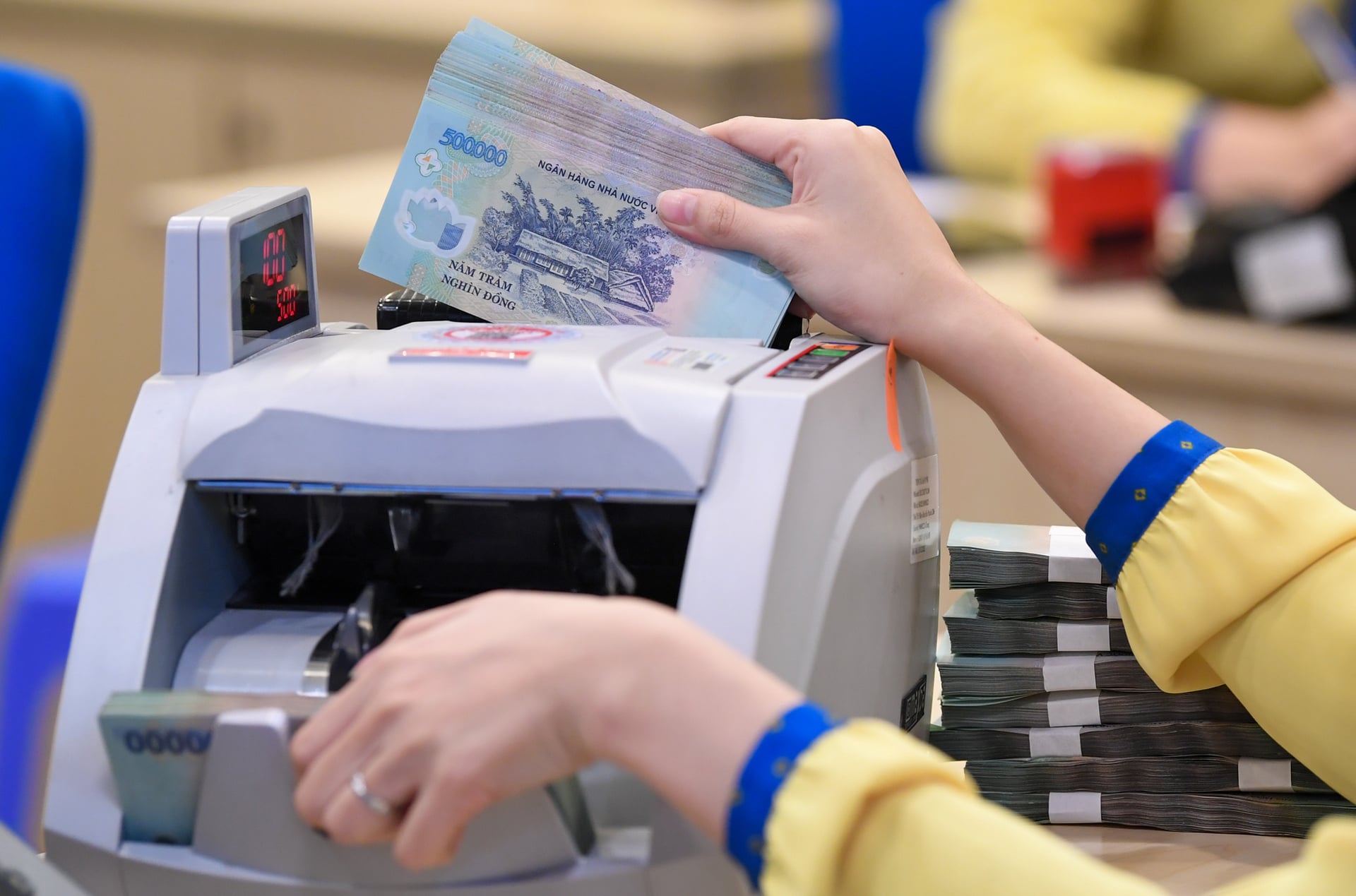
One of the biggest challenges facing Vietnamese economic policymakers is not just the scale of FDI inflows but the cost of capital that companies have to bear.
One of the biggest challenges facing Vietnamese economic policymakers is not just the scale of FDI inflows but the cost of capital that companies have to bear.
Resolution No. 10-NQ/TW (Resolution 10) on developing the foreign-invested economy identifies the foreign-invested sector as an important part of the national economy.
"This is a resolution of real significance for international investors," Dominic Scriven, chairman of Dragon Capital, said at a recent national conference on Resolution 10.
He also welcomed the fact that the resolution recognises the capital market and its investors as an important part of the foreign-invested economy.
To meet Vietnam's growth targets, however, the price of capital remains a considerable challenge.
He pointed to the State Treasury, which has issued bonds very successfully at yields of about 4 per cent a year, while companies must pay 10-12 per cent on three-year bonds and struggle to issue five-year paper at all.
"The spread is far too wide. We have to work on narrowing it," Scriven said.
The Dragon Capital chairman recommended that the government study mechanisms to encourage foreign-invested firms to retain profits in Vietnam rather than repatriating them in full.
One option worth considering is an appropriate interest rate framework for US dollar deposits held by foreign-invested companies in Vietnam's banking system, which would add a stable source of foreign currency funding for the economy.
He also argued that Vietnam should keep accelerating the upgrade of its stock market, with the goal of reaching emerging market status before 2030.
That includes considering relaxing or adjusting foreign ownership limits in sectors and companies that are not strategically tied to national security.
At the same time, the foreign exchange trading framework should be further refined to make it easier for foreign investors to participate in Vietnam's capital market.
On listing requirements, Scriven said the rule barring companies with accumulated losses from listing creates a significant barrier for many firms in the digital economy and artificial intelligence.
Such companies typically go through a long investment phase and accept losses in their early years before turning profitable. The rule, he said, should be revised to better reflect the nature of innovative businesses.
The Dragon Capital chairman also proposed pushing ahead with the financial centres in Ho Chi Minh City and Da Nang, which could open the way for a dedicated private placement regime aimed at professional international institutional investors. That would be a highly effective fundraising channel for the economy.
Vietnam, he added, also needs to build up its domestic institutional investor base, an important foundation for a stable, sustainable capital market that is less dependent on short-term flows.
Racing towards an MSCI upgrade
Beyond the cost of capital, attracting investment funds is another way to encourage long-term, stable foreign capital.
According to Michael Kokalari, chief economist at VinaCapital, Vietnam should continue pursuing its large-scale, ambitious infrastructure programmes, an essential foundation for sustaining long-term growth.
Infrastructure projects, however, demand enormous financial resources. In that context, tapping foreign investment to build infrastructure is entirely normal and has been used successfully by many countries.
Kokalari cited the example of the United States in the 19th century, which raised international capital, particularly from Britain, to build its railway system and national infrastructure.
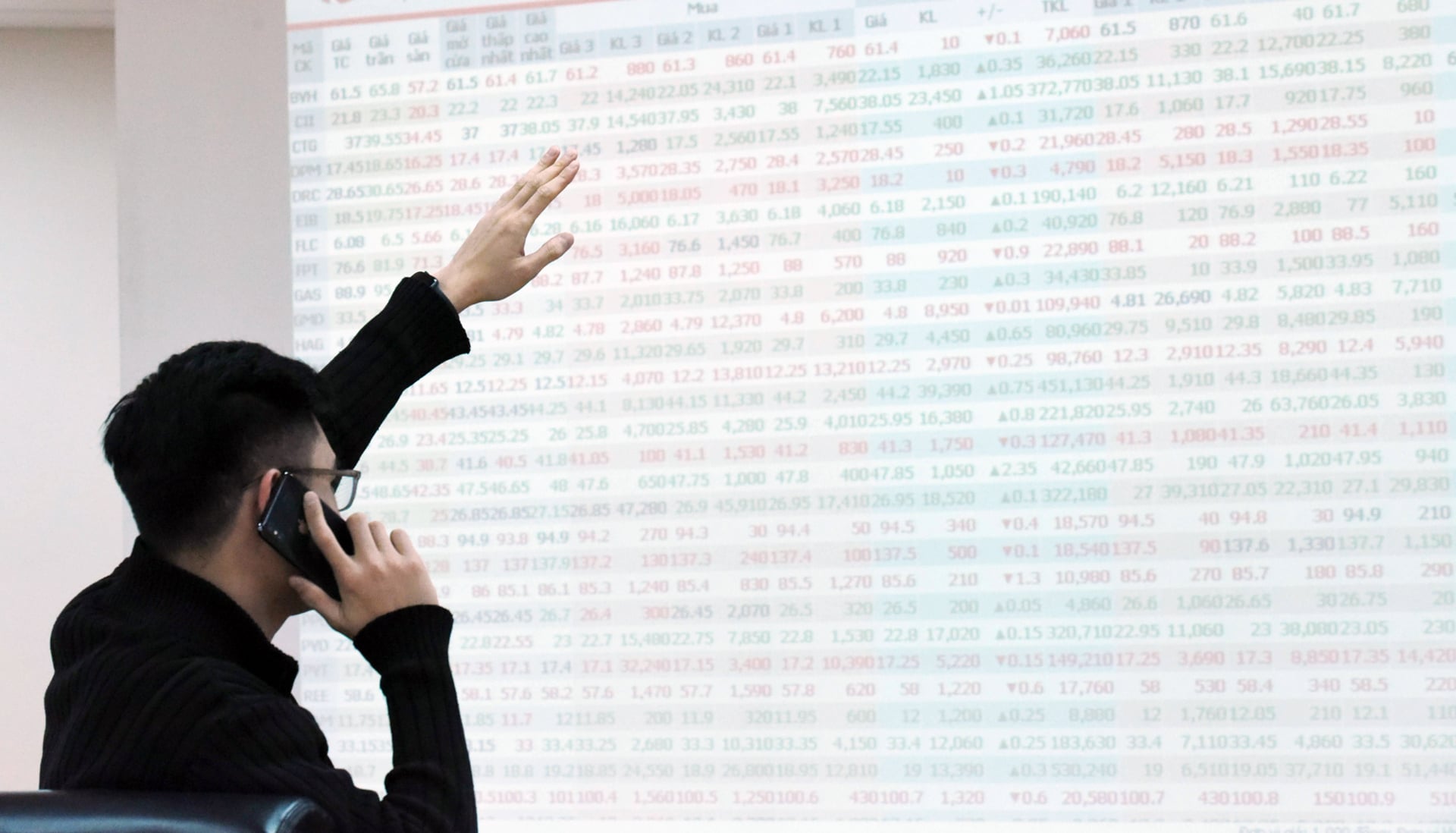
Drawing on experience and networks across many markets and global investors, the VinaCapital representative recommended that Vietnam prioritise securing an MSCI upgrade to emerging market status, having already been upgraded by FTSE Russell. That would be a major turning point in attracting large-scale passive and active capital from international funds.
To fully meet MSCI's upgrade criteria, Vietnam needs to complete several items, including the early rollout of a central counterparty clearing mechanism.
It also needs to permit currency hedging instruments for portfolio investment, keep reviewing foreign ownership limits in suitable sectors, and further raise standards of information transparency and corporate governance.
Kokalari said many international funds with hundreds of billions of US dollars under management are watching the Vietnamese market closely. A very large amount of capital is therefore expected to flow in if MSCI grants an upgrade.
Vietnam should also move quickly to secure an investment-grade credit rating from international agencies such as S&P, Moody's or Fitch.
In addition, Kokalari said, Vietnam needs to accelerate the equitisation of state-owned enterprises, initial public offerings and other forms of capital raising.
That would expand the size and improve the quality of listed assets in the capital market, drawing in more international investors.
Source: TheLeader — theleader.vn. Republished to share knowledge with founders and investors in the HCM VIF ecosystem.
Category & tags
Related news
 Ecosystem
Venture capital will be a new asset class
Mr. Hoang Duc Trung believes that, with the State taking the lead and large organizations and enterprises joining forces to spread the momentum, venture capital will fulfil its role as an engine of growth and innovation
 Finance & Banking05/2026
The success of a public-private venture fund is not measured by the number of unicorns
With an initial size of VND 500 billion, how will the government's “seed capital” from the public-private venture fund catalyze the flow of financing into startups?
 Finance & Banking18/05/2026
Ho Chi Minh City sets up venture capital fund: 'Seed capital' for Vietnamese tech
For the first time, Ho Chi Minh City has a venture capital fund operating under a joint-stock company model with the participation of the State and major private corporations.