

Ho Chi Minh City creates “seed capital” for technology development
Venture capital naturally has to accept risk, but it is managed risk.
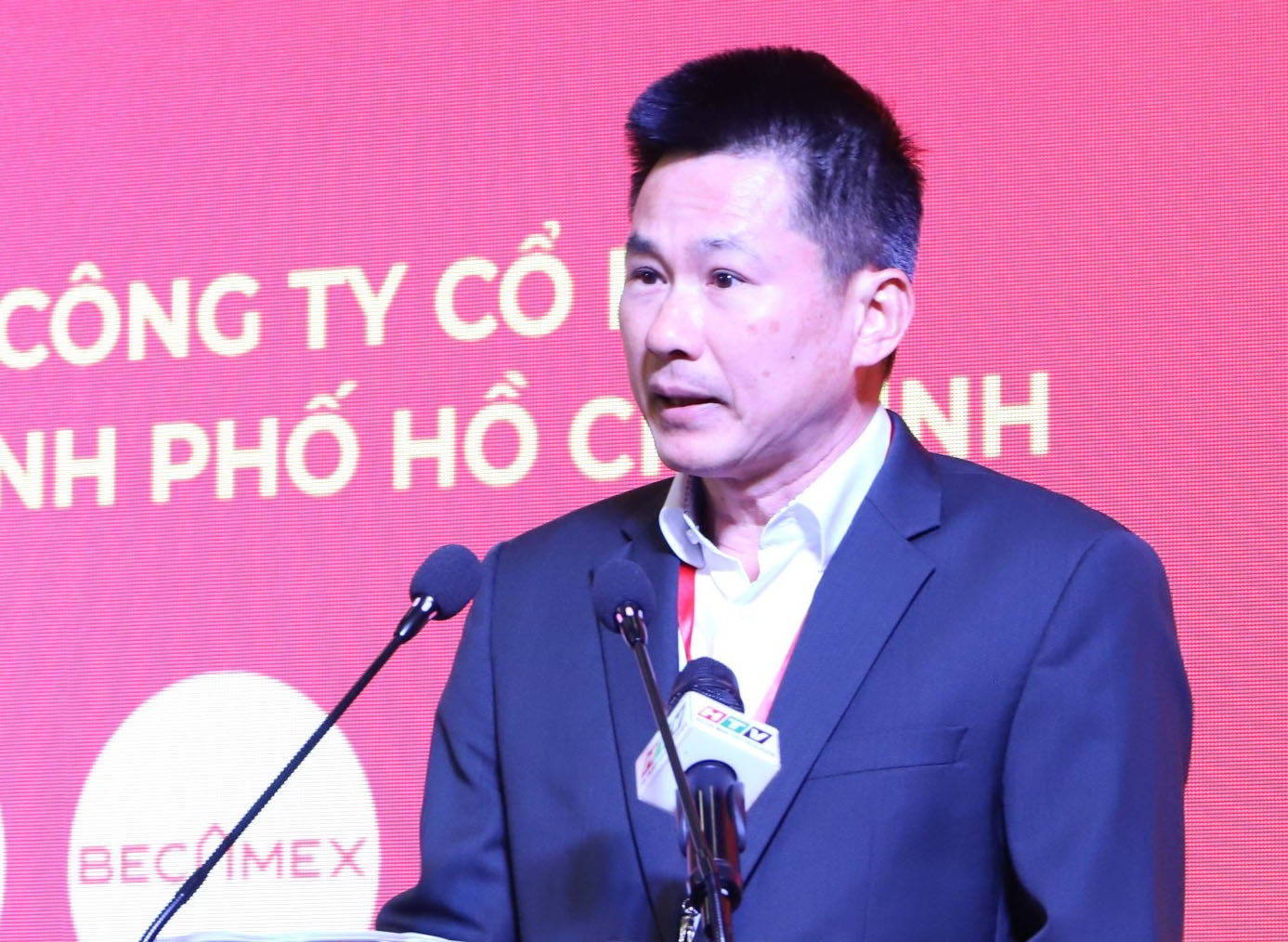 |
| Mr. Hoang Duc Trung, Director of VinaCapital Ventures - in charge of running the Ho Chi Minh City Venture Capital Fund. |
Sir, in the current context, why does Ho Chi Minh City need a locally initiated Venture Capital Fund?
Mr. Hoang Duc Trung: The city is currently the locality with the largest startup ecosystem in the country, concentrating roughly half of Vietnam's startups. However, one major bottleneck is the lack of domestic venture capital funds that are large enough in scale and operate according to market principles.
Capital for startups, especially at the growth stage, still depends heavily on foreign funds. Meanwhile, domestic support programs mostly stop at the level of grants and incubation, and have not yet formed a financial component capable of accepting risk to invest alongside businesses.
Therefore, the city has formed the Venture Capital Fund in order to create an intermediary institution connecting policy directions with the actual flow of capital for innovation. Establishing the fund is also part of the city's roadmap to restructure its growth model toward greater reliance on science-technology and the digital economy, tied to major orientations such as Resolution 57-NQ/TW, Resolution 98/2023/QH15 and the regulations on developing venture capital funds.
What sets this fund apart from previous startup support programs?
Mr. Hoang Duc Trung: The biggest difference is that the fund is organized as a joint stock company, operating according to the enterprise mechanism and market principles, instead of an administrative-style support fund model. The fund's initial charter capital is VND 500 billion, of which the Ho Chi Minh City budget contributes VND 200 billion (equivalent to 40%), with the remainder contributed by the private sector. Under the roadmap, the fund's scale will be raised to around VND 5,000 billion by 2035. This is a public-private partnership model, in which the State capital plays the role of activating the market, not replacing it.
The fund is designed with a governance structure comprising a general meeting of shareholders, a board of directors, a supervisory board, an executive board and an independent investment committee; it may also hire a professional fund management unit to ensure that investment decisions are based on criteria of efficiency, transparency and expertise. This is especially important for venture capital - a field that requires the ability to accept risk but within a clear risk-management framework.
You have emphasized the fund's role as "seed capital"; how exactly should this be understood?
Mr. Hoang Duc Trung: The scale of VND 500 billion is significant not only financially, but also as a policy signal. The fund is expected to play the role of "seed capital", meaning that every dong of State capital can attract an additional 2-3 dong of private capital into the investment, thereby raising the proportion of social resources in the total capital.
Further ahead, we expect the fund to create a ripple effect and become a "magnet" attracting private and international capital flows into strategic technology fields - where the private sector is usually cautious due to high risk and long payback periods. In this way, the fund's role is not only to invest directly, but also to lead the market.
Which fields of the economy will need this capital the most, sir?
Mr. Hoang Duc Trung: The fund will pursue a strategy of "in-depth investment", meaning it will not spread itself thin but will select businesses with high potential within the startup ecosystem. Priority fields include: digital technology (AI, big data, blockchain), the semiconductor industry, biotechnology and healthcare, new materials, renewable energy, automation, and so on. These are all core technology fields with the ability to create high added value, but which require long-term capital and a high tolerance for risk. In terms of investment stage, the fund focuses on the Series A and B rounds, in order to help businesses scale up, refine their business models and commercialize technology.
What is the fund expected to contribute to the socio-economic development of Ho Chi Minh City?
Mr. Hoang Duc Trung: According to the plan, during the 2026-2035 period, the fund is expected to invest in around 50-150 innovative startups and science-technology enterprises; to support the commercialization of at least 50 products and technologies; and at the same time to aim to form a number of large-scale technology enterprises. Beyond the direct impact on businesses, the fund also plays a role in connecting the ecosystem, supporting startups in governance, partner networks and markets.
At the macro level, Ho Chi Minh City sets a target of raising the contribution of the innovation and high-tech economy to around 20-25% of GRDP by 2030. The fund is expected to be one of the financial instruments contributing to realizing this goal.
Venture capital always comes with high risk. How will the fund control this issue?
Mr. Hoang Duc Trung: Venture capital must of course accept risk, but it is managed risk. The fund will build a governance system to international standards, in which every investment decision is based on data, efficiency and real potential, with high transparency requirements.
In terms of mechanism, the fund applies the principle of "controlled risk acceptance", in which the level of loss on the State capital portion is capped, while there is also a mechanism to exempt decision-makers from liability if they have properly followed the process. This is a necessary condition for the fund to operate in line with the true nature of a venture capital organization.
What do you expect of the fund's long-term role?
Mr. Hoang Duc Trung: The greatest expectation does not lie in the number of deals in the short term, but in forming a market-based investment mechanism for innovation. If operated effectively, the fund will help elevate the enabling role of local government in the field of technology investment, and at the same time lay the groundwork for the development of the domestic venture capital market.
In the long term, when speaking of Vietnam's leading technology enterprises, we expect the Ho Chi Minh City Venture Capital Fund to be one of the important companions. Because, ultimately, the fund invests not only in businesses, but in the future development of Ho Chi Minh City.
Source: Thời báo Ngân hàng — thoibaonganhang.vn. This article is republished to share knowledge with the founder and investor community in the HCM VIF ecosystem.
Category & tags
Related news
 Ecosystem
Venture capital will be a new asset class
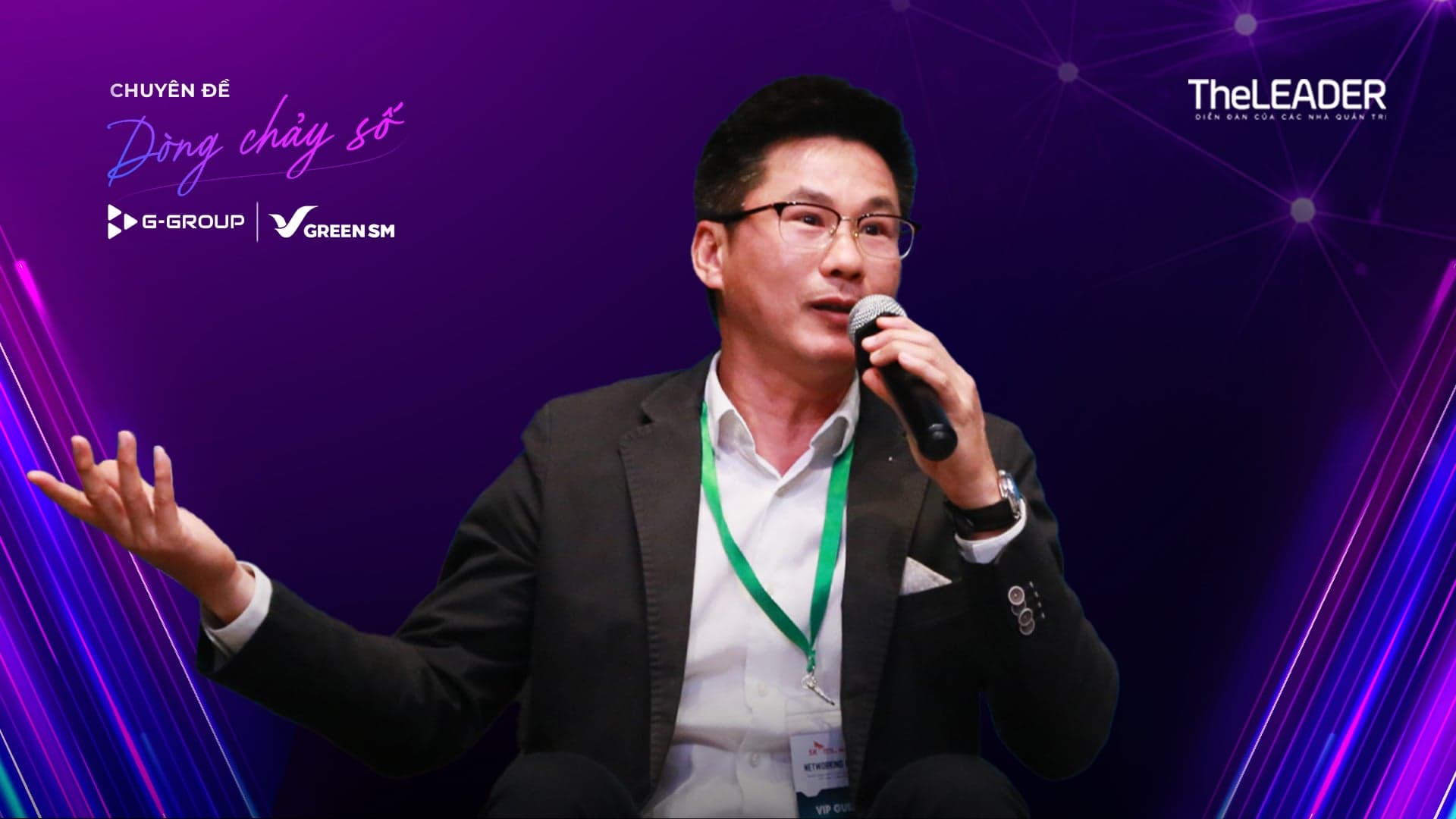
Mr. Hoang Duc Trung believes that, with the State taking the lead and large organizations and enterprises joining forces to spread the momentum, venture capital will fulfil its role as an engine of growth and innovation
 Finance & Banking05/2026
The success of a public-private venture fund is not measured by the number of unicorns
With an initial size of VND 500 billion, how will the government's “seed capital” from the public-private venture fund catalyze the flow of financing into startups?
 Finance & Banking18/05/2026
Ho Chi Minh City sets up venture capital fund: 'Seed capital' for Vietnamese tech
For the first time, Ho Chi Minh City has a venture capital fund operating under a joint-stock company model with the participation of the State and major private corporations.